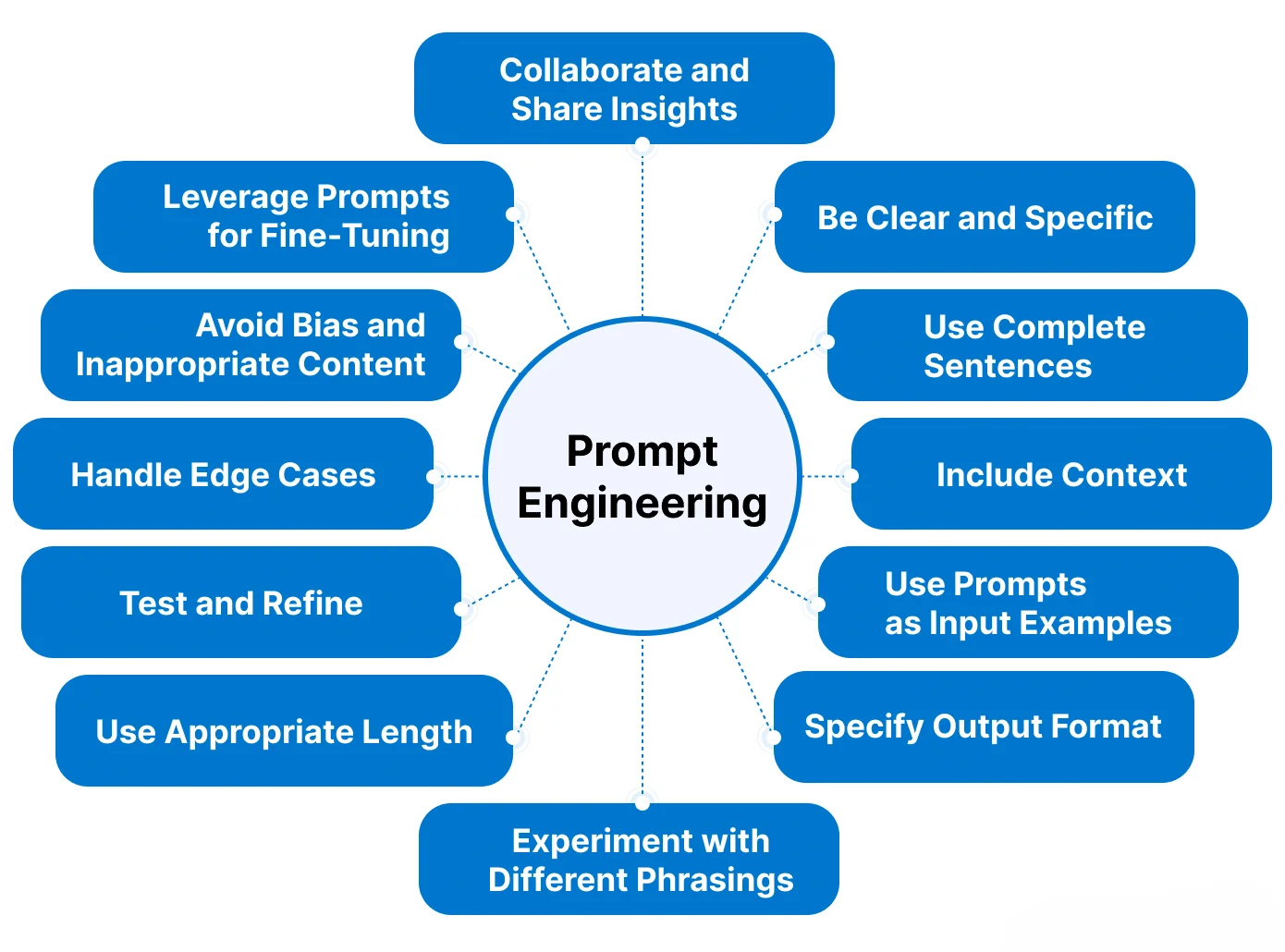
In the evolving landscape of Applied Behavior Analysis (ABA), Board Certified Behavior Analysts (BCBAs) are increasingly turning to artificial intelligence (AI) to enhance therapy outcomes and operational efficiency. Central to this transformation is prompt engineering—the skillful crafting of precise inputs designed to effectively guide AI models.
The Role of Prompt Engineering in ABA
Prompt engineering means writing instructions and supplying context for an AI model. In a clinical workflow, useful tasks to evaluate include:
- Preparing Drafts: Define the structure of a draft and the source material it may use. A qualified clinician must check its accuracy and suitability.
- Enhancing Data Analysis: Ask for a structured summary of the available data, then check it against the source. A model-generated pattern is not a clinical finding.
- Streamlining Documentation: Specify the required sections and review each draft against the record and documentation requirements. Measure the effect on your workflow rather than assuming a time saving.
A well-written prompt is one part of a workflow. Source quality, evaluation, privacy controls, and professional review also matter.
Evaluating AI in a Clinical Workflow
Editorial update — October 22, 2026: Historical Neuromnia product and outcome claims have been withdrawn from this public version. The original publication date and byline are retained.
Questions to Resolve Before Use
- Drafting and Review: Which source material can the model use, and who checks the draft before it enters a clinical record?
- Collaboration: How will therapists and supervisors share corrections, review exceptions, and retain ownership of decisions?
- Documentation and Billing: Which requirements must the workflow meet, and how will staff verify them? An AI-generated draft does not establish payer acceptance or a denial-rate improvement.
Evaluate the complete workflow with representative examples before making claims about accuracy, workload, or outcomes.
Reviewing a Draft Against Its Source
Begin with a defined documentation task and source material approved for that use. Review the draft for unsupported statements, omissions, and consistency with the source. Record the corrections the reviewer needs to make.
Measure review effort and document known limitations. Compare results with the existing workflow before deciding whether to expand use; do not infer better clinical outcomes from faster drafting alone.
Best Practices in Prompt Engineering for BCBAs
To effectively utilize prompt engineering, BCBAs should:
- Define Clearly and Specifically: Clearly articulate the desired outcome to precisely guide AI behavior.
- Include Contextual Information: Provide relevant details to help AI comprehensively understand and respond.
- Refine Iteratively: Continuously adjust and refine prompts based on previous AI outputs for improved accuracy.
- Maintain Ethical Standards: Always ensure prompts uphold client confidentiality and ethical standards in clinical practice.
Use these practices as a starting point for evaluation, with qualified review of any clinical content.
The Future of AI in ABA Therapy
As AI technology evolves, its integration into ABA therapy holds immense promise:
- Personalized Interventions: Any proposed use in treatment planning needs task-specific evaluation and clinical oversight. This article does not establish improved therapeutic outcomes.
- Real-Time Data Analysis: Check the completeness, timing, and accuracy of source data before using a generated summary to inform a decision.
- Resource Optimization: Automation of routine administrative tasks empowers BCBAs to dedicate more energy to direct client care, mentorship, and program development.
For Neuromnia, the current focus is forward deployed AI engineering for ABA organizations: start with a focused build and evaluate it in the workflow.
Neuromnia offers engineering support for ABA organizations. Start a conversation about a focused first build.